Why Whole Foods Plant-Based?
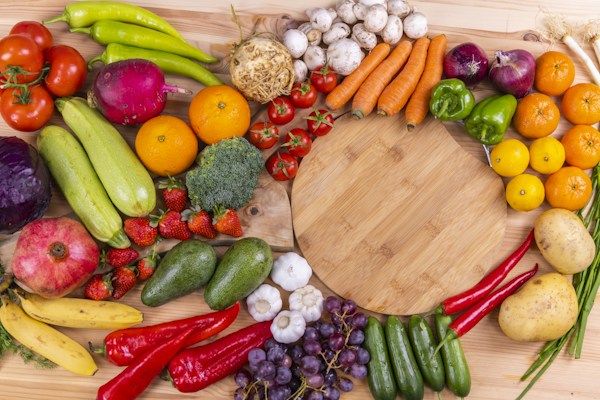
Science has revealed what many cultures have known for millennia: plants have extraordinary power to heal, sustain, and nourish us. A whole foods plant-based diet focuses on vegetables, fruits, whole grains, legumes, nuts, and seeds while minimizing or eliminating animal products and processed foods.
The evidence is clear and compelling. This way of eating not only transforms personal health but also addresses some of our planet's most pressing challenges, from climate change to resource depletion, while honoring the lives of billions of sentient beings.
The shift to plant-based eating is one of the most powerful choices you can make for your health, the environment, and animals. Start where you are, experiment with new recipes, and connect with the growing community of people embracing this compassionate, sustainable way of living.
Learn more about the health, planet, and animal compassion below.
Ready to join us? View the calendar and complete registration.
Additional presentations to be announced!
Speaker Bios
Gwyn Whittaker
CEO, Owner and Educator at Greenfare Organic Café, Herndon, VA
Gwyn Whittaker is a change-maker, and for the past several years she has deployed her considerable "get-it-done" skills to the plant-based movement. Gwyn, CEO of Greenfare Cafe in Herndon, Virginia, has the only 100% whole-food, plant-based (WFPB), organic restaurant in the area. She is also the reason there has been a Fairfax VegFest for the last 6 years up in Herndon. From a career as an engineer and entrepreneur in the intelligence community, she has pivoted to nutrition and health and devoted her energy to bringing the message – and taste – of healthy plant-based food to the wider world. She is also a 10-year Master Gardener, apparently in her 'spare time'.
Frances Kerley, RD
Registered Dietitian, Richmond, VA
Frances Kerley as a Registered Dietitian and Food for Life Instructor, is working with the Physicians Committee for Responsible Medicine to educate the greater Richmond area on the benefits of healthy lifestyle choices. She earned a Bachelor's degree in Kinesiology and Dietetics from James Madison University and completed her dietetic internship at Virginia Tech. Frances has worked as a Registered Dietitian for the past five years, serving both the geriatric and veteran population. Following a health conference, Frances found her passion; plant-based nutrition!
Daphne Bascom, MD, PhD
Plant-Based Health Coach, Forest, VA
Dr. Daphne is a plant-based health coach and Chief Operating Officer of The Vegan Gym, with a distinguished career spanning clinical medicine, population health, and health system leadership. She has held several senior executive roles at organizations including St. Luke's Health System, the Chief Health Officer at the YMCA of Greater Kansas City, Cerner Corporation, as well as Cleveland Clinic. Dr. Bascom completed advanced surgical training at Oregon Health Sciences University, earned her medical degree and residency at the University of Pittsburgh Medical Center, and received her PhD in physiological sciences from the University of Oxford. She is widely recognized for her leadership in evidence-based health innovation and her contributions to advancing women in physiology and medicine.
Margaretha Backers, RN, BSN
Wellness Nurse, Falls Church, VA
Margaretha is a member of Northern Virginia Ethical Society. She holds degrees in Biology, Education and Nursing. She has experience in both the ER and as a Wellness Nurse since 2004. She now works with employees of various businesses to manage their health through nutrition, exercise, prophylactic visits and stress management. Margaretha has been a plant-based vegan for over 40 years and holds a Plant Based Nutrition Certification from Cornell, Certification as a Food For Life Instructor from the Physician's Committee for Responsible Medicine as well as a Masters in Fitness Certification from Cooper Institute. Margaretha is a presenter at Vegan Summerfest every year.
John Reed, MD
Board-Certified Family Practice Physician, Crozet, VA
Dr. Reed is a board-certified Family Practice physician at the Augusta Health Primary Care office in Fishersville, VA. He is also a member of the American College of Lifestyle Medicine and has a thorough knowledge of plant-based nutrition and the lifestyle changes that can reverse chronic disease. John is a board-certified lifestyle medicine physician and seeks to help guide his patients to lose weight, reverse chronic diseases, and decrease the need for medications with massive lifestyle change; working to help you personalize a plan to get you on track to optimize your health.
HonieAnn Peacock
CEO, NYC Restaurant Owner, Entrepreneur
A multi-dimensional, entrepreneurial, socially-conscious leader and collaborator with an extensive track record in promoting and implementing economic development and social change for women and minority-owned businesses and community-based non-profits in the arts, education and human services. HonieAnn's goals are to play a key role in creating and/or amplifying action-oriented projects with great impact and import that result in positive change. At Cville Veg Ed HonieAnn will link our nutritional past with our tenuous future, starting with our soil and our food.
Cognitive & Emotional Capacity
Scientific research increasingly recognizes the complex emotional and cognitive lives of farm animals. Pigs demonstrate problem-solving abilities comparable to dogs and young children. Cows form deep social bonds and experience grief. Chickens communicate with distinct vocalizations and show individual personalities. Recognizing this capacity for suffering makes our food choices profoundly ethical questions.
A More Compassionate World
Every plant-based meal represents a choice for compassion, voting with our dollars for a food system that doesn't require animal suffering. This alignment of our values with our actions creates personal integrity and contributes to cultural shifts toward greater empathy and ethical consideration for all beings.
🩺 Transform Your Health
Heart Disease Prevention
Research shows that plant-based diets can prevent and even reverse cardiovascular disease. Studies demonstrate significant reductions in cholesterol, blood pressure, and arterial plaque when adopting whole food plant-based nutrition.
Type 2 Diabetes Management
Plant-based diets have been shown to improve insulin sensitivity and glycemic control. Many individuals following this approach have reduced or eliminated diabetes medications entirely.
Cancer Risk Reduction
Diets rich in fruits, vegetables, and whole grains are associated with lower rates of various cancers. The antioxidants, fiber, and phytochemicals in plant foods provide protective effects.
Weight Management
Whole plant foods are naturally lower in calories and higher in fiber, promoting healthy weight maintenance without restrictive calorie counting.
Increased Longevity
Population studies consistently show that those consuming more plant foods and fewer animal products tend to live longer, healthier lives with reduced rates of chronic disease.
Improved Gut Health
The fiber in plant foods feeds beneficial gut bacteria, supporting immune function, mental health, and overall wellbeing.
Key Nutrients Abundant in Plant Foods
- Fiber: Essential for digestive health, found exclusively in plant foods
- Antioxidants: Combat oxidative stress and inflammation
- Vitamins & Minerals: Plants provide abundant vitamins C, E, folate, potassium, and magnesium
- Phytochemicals: Thousands of beneficial compounds found only in plants
- Healthy Fats: Nuts, seeds, and avocados provide omega-3s and unsaturated fats
🌍 Protect The Planet
Animal agriculture is a leading contributor to greenhouse gas emissions, responsible for more emissions than all transportation combined. Livestock production generates methane, nitrous oxide, and carbon dioxide at alarming rates. Plant-based diets require dramatically less land, allowing for reforestation and habitat restoration. Transitioning to plant-based diets represents one of the most impactful individual actions for climate mitigation.
Reduction in greenhouse gas emissions possible with plant-based diets
Less agricultural land needed for plant-based food production
Reduction in water use compared to animal agriculture

Climate Change & Greenhouse Gases
Reduce Carbon Footprint
Plant-based diets can reduce your food-related carbon emissions by up to 73%. Every plant-based meal makes a measurable difference in fighting climate change.
Lower Methane Emissions
Livestock, especially cattle, produce significant methane through digestion. Methane is 80 times more potent than CO2 over 20 years, making dietary change crucial for rapid climate action.
Preserve Forests
Animal agriculture drives deforestation in critical ecosystems like the Amazon. Choosing plants over animals helps protect vital carbon sinks and biodiversity hotspots.
Water Conservation
Producing animal products requires vastly more water than growing plants. As freshwater scarcity intensifies globally, dietary choices become increasingly critical.
Save Water Resources
A plant-based diet uses 50% less water than a meat-based diet. A single pound of beef can require over 1,800 gallons of water, while a pound of vegetables requires less than 40 gallons. This conservation is critical as water scarcity affects billions worldwide.
Reduce Pollution
Animal agriculture creates massive amounts of waste that pollutes waterways. Plant farming generates significantly less runoff and contamination.
Free Up Land
If everyone adopted plant-based diets, global farmland use could be reduced by 75% - an area equivalent to the US, China, EU, and Australia combined.
Restore Ecosystems
Land freed from animal agriculture can be rewilded, allowing native forests to regenerate, wildlife to return, and carbon to be sequestered naturally.
Protect Biodiversity
Agriculture is the leading cause of species extinction. Reducing our agricultural footprint through plant-based eating helps preserve habitats for countless species.
Ocean Health & Dead Zones
Agricultural runoff from livestock operations creates massive dead zones in oceans and waterways. Plant-based agriculture generates significantly less pollution, helping protect aquatic ecosystems and marine biodiversity.
💚 Choose Compassion
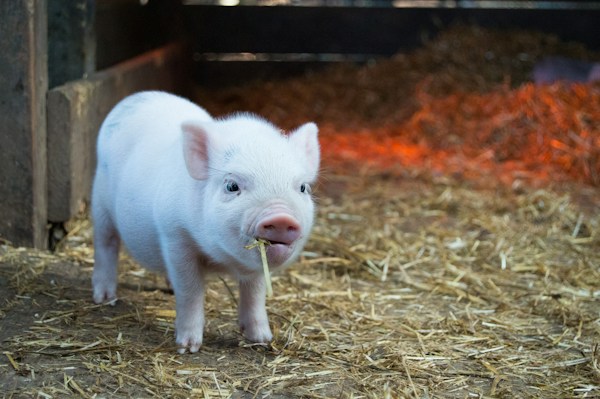
Beyond health and environmental considerations, choosing plant-based nutrition reflects a commitment to reducing animal suffering. Modern animal agriculture involves practices that cause immense suffering to billions of sentient beings each year.
The vast majority of animal products come from industrial operations where animals live in crowded, stressful conditions. Chickens, pigs, and cows experience physical and psychological distress throughout their shortened lives. These intelligent, social creatures are often confined to spaces barely larger than their bodies, unable to express natural behaviors.
Reduce Animal Suffering
Over 70 billion land animals are raised and killed for food annually, most in factory farms. Each plant-based meal represents a choice for compassion and reduces demand for industrial animal agriculture.
Honor Sentience
Scientific research confirms that farm animals experience complex emotions, form social bonds, and have individual personalities. Choosing plants acknowledges their capacity to suffer.
End Confinement
The majority of farm animals live in cramped, barren conditions unable to express natural behaviors. Plant-based eating reduces demand for these cruel practices.
Align Values with Actions
Most people believe animals deserve protection from cruelty. Plant-based eating allows us to live in alignment with our values of compassion and kindness.
Support Humane Treatment
By choosing plant-based foods, we vote with our dollars for a food system that doesn't require animal exploitation and suffering.
Create Cultural Change
Each individual choice contributes to broader cultural shifts toward greater empathy, ethical consideration, and compassion for all sentient beings.
Cognitive & Emotional Capacity
Scientific research increasingly recognizes the complex emotional and cognitive lives of farm animals. Pigs demonstrate problem-solving abilities comparable to dogs and young children. Cows form deep social bonds and experience grief. Chickens communicate with distinct vocalizations and show individual personalities. Recognizing this capacity for suffering makes our food choices profoundly ethical questions.
A More Compassionate World
Every plant-based meal represents a choice for compassion, voting with our dollars for a food system that doesn't require animal suffering. This alignment of our values with our actions creates personal integrity and contributes to cultural shifts toward greater empathy and ethical consideration for all beings.
Speaker Topics
🌿 Why Plant-Based?
Discover the compelling reasons to embrace plant-based eating, from the big picture overview of health benefits to environmental and ethical considerations that make this dietary approach essential for our future.
💪 The Protein Myth
Debunking common misconceptions about protein needs and plant-based sources. Learn how to easily meet and exceed protein requirements on a plant-based diet, with evidence from elite athletes and scientific research.
🏃 Getting Your Move On
Explore the vital connection between physical activity and plant-based nutrition. Discover how movement enhances the benefits of a whole foods diet and learn practical strategies to incorporate more activity into your daily life.
🥛 The Scary of Dairy
Examining the health implications of dairy consumption, including effects on bone health, hormones, and chronic disease. Explore delicious plant-based alternatives and optimal calcium sources.
🩺 Ditching the Diagnosis of Diabetes
Powerful evidence on how plant-based nutrition can prevent, manage, and in many cases reverse Type 2 diabetes. Real stories of transformation and the science behind improved insulin sensitivity.
🍎 Are We Really What We Eat?
Exploring the profound connection between nutrition and our physical and mental wellbeing. How the foods we choose literally become the building blocks of our bodies and influence our health at the cellular level.
Registration
Transform your health. Protect the planet. Choose compassion.
Whether you are plant-based curious, transitioning, or already committed to this lifestyle, Cville Veg Ed offers knowledge, community, and inspiration for your journey.
April 18, 2026 • 11am-4pm • Unitarian Universalist, 717 Rugby Rd, Charlottesville, VA
Continue Your Journey
The shift to plant-based eating is one of the most powerful choices you can make for your health, the environment, and animals. Start where you are, experiment with new recipes, and connect with the growing community of people embracing this compassionate, sustainable way of living.
Getting Started Tips
- Start with familiar foods: many of your favorite meals can be easily adapted
- Experiment with one new plant-based recipe per week
- Focus on adding foods rather than restricting: crowd out animal products with delicious plant options
- Connect with others on the same journey for support and recipe ideas
- Be patient with yourself: transition at your own pace
- Focus on whole foods rather than processed vegan alternatives